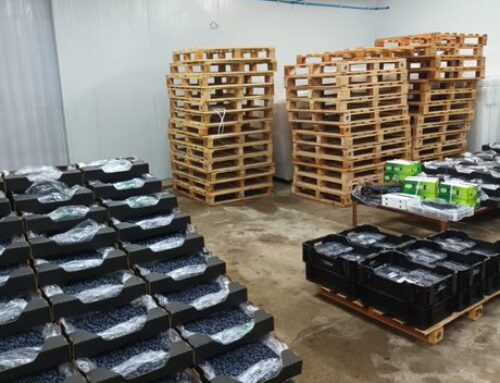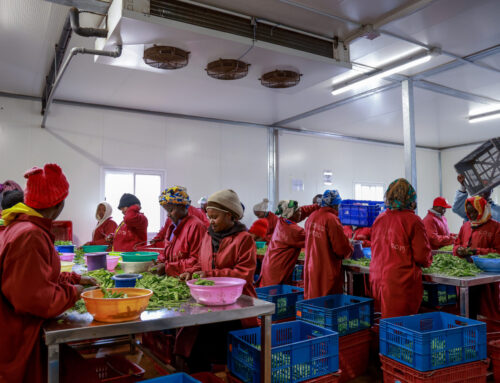
In 2026, Africa continues to grapple with one of its most persistent agricultural challenges: post-harvest losses due to weak cold-chain systems. Despite consistent improvements in production and export capacity, large volumes of perishable produce are lost each year, not because farmers fail, but because cold-storage infrastructure remains inadequate, particularly at the farm and rural levels.
According to industry reports, many countries on the continent operate at a fraction of the needed cold chain capacity, with losses as high as 40% of total food production in some markets. Fruits and vegetables alone can see up to 70% loss in the absence of proper temperature-controlled storage. This inefficiency costs agribusinesses billions of dollars annually, undermining food security and reducing incomes for smallholder farmers across the continent.
The Cold Chain Gap in Africa in 2026
- Infrastructure gaps in rural regions remain a primary barrier to extending the shelf life of produce. In many areas, access to reliable cold storage is limited to urban centers, leaving the majority of agricultural output exposed to heat and spoilage right after harvest.
- Unreliable power supply and high energy costs further constrain the effectiveness of conventional refrigeration systems. In regions with frequent outages or off-grid conditions, farmers must rely on diesel generators, which are costly and environmentally unsustainable, to keep produce cool.
- Transportation and logistics challenges also contribute significantly to cold chain breaks. Poor road networks and limited refrigerated transport options mean that produce often travels long distances under non-ideal conditions, accelerating spoilage and reducing the overall value of agricultural goods before they reach markets or processing centers.
- Finally, limited access to technical support and cold chain expertise means that even when systems are installed, they often operate below optimal performance due to lack of maintenance or real-time monitoring. Without on-the-ground service teams, small breakdowns can quickly turn into major financial losses.
What Africa Could Achieve with Strong Cold Chain Infrastructure
With adequate investment and deployment of modern cold chain solutions, Africa can unlock substantial economic and social benefits:
-
Reduced post-harvest loss of perishable crops, including fruits, vegetables, dairy, and fish, potentially cutting losses by up to 40% in targeted regions.
-
Increased farmer incomes and improved livelihoods as a result of longer produce shelf life and better market access.
-
Greater export competitiveness, especially for high-value horticulture products that require strict temperature control to meet international standards.
-
Enhanced food security and reduced waste, particularly in rural communities where over 60% of agricultural output originates.
Cold Chain Solutions Designed for Real African Conditions
At InspiraFarms Cooling, we build cold chain solutions designed for real African conditions, not just ideal scenarios.
-
Hybrid-Powered Cold Rooms
Our cold rooms can run on a combination of grid electricity, solar, and backup power. Even in areas with unreliable power, produce stays fresh, and farmers spend less on running costs. -
Modular Storage Close to Farms
Our storage units can be deployed near farms and aggregation centers, reducing travel time for produce. This ensures freshness from harvest straight to market. -
Local Technical Support
Our teams are on the ground. When a system needs maintenance or repair, help is available fast. This prevents small issues from becoming huge losses. -
Smart Monitoring Systems
Remote temperature tracking lets teams detect problems early. Produce stays safe, and operations run smoothly.
Partnerships and Emerging Cold Chain Initiatives in Africa
Innovative public-private collaborations are beginning to strengthen cold chain markets across the continent. Programmes like the Kenya Cold Chain Accelerator (KCCA) aim to scale commercial viability and accessibility of cold chain solutions, making them more affordable and inclusive.
Similarly, projects such as the Africa Centre of Excellence for Sustainable Cooling and Cold Chains (ACES) have demonstrated significant reductions in post-harvest loss and improvements in farmer incomes through investment in refrigerated infrastructure and training.
Why We Can’t Wait
Every day that produce is lost is money, opportunity, and food gone. Africa cannot rely on incremental fixes. We need resilient, locally supported cold chain solutions that work in real-world conditions.
InspiraFarms Cooling is leading the way, helping farmers, agribusinesses, and exporters save more produce, grow their businesses, and secure Africa’s food supply.If you grow, transport, or sell fresh produce, it is time to invest in solutions that actually work on the ground. Let’s make every harvest count.