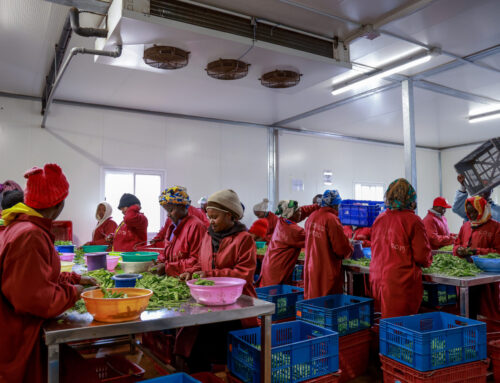
Harvest season is full of hope for farmers. Long hours under the sun, early mornings before sunrise, and the dream that this year’s yield will be better than the last. Yet, for many farmers across Africa, that hope can quickly fade once produce leaves the field. Too often, a large portion of the harvest spoils before reaching a buyer or market. Across sub-Saharan Africa, post-harvest losses for fruits and vegetables can reach 30 % to 50 % (mdpi.com).
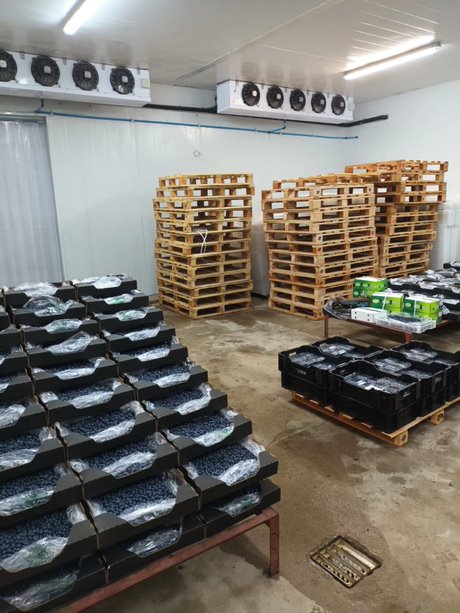
Hybrid on-farm cold rooms are changing this story. Farmers can now store perishable produce longer, giving them control over when to sell and how much they earn.
Why Farmers Lose So Much Produce Even After a Good Harvest
Many small-scale farmers live far from reliable electricity. Grid power is often intermittent or unavailable, and diesel generators are expensive to run and maintain. Without consistent cooling, perishable crops like tomatoes, leafy greens, and dairy start to spoil the moment they are harvested (brookings.edu).
One Kenyan farmer shared that nearly half her tomatoes would rot within a few days because she lacked proper cooling. After accessing a nearby cold room, her produce stayed fresh for weeks, allowing her to find better buyers and higher prices (big3africa.org).
Hybrid on-farm cold rooms provide a solution to this challenge.
What Makes Hybrid Cold Rooms Different
Hybrid systems combine multiple energy sources like grid power, generators, and battery backups to maintain stable temperatures even when one source fails. This flexibility ensures produce stays fresh without requiring expensive fuel or complex maintenance.
Studies show hybrid refrigeration systems can significantly reduce energy costs while maintaining stable temperatures in rural settings (sciencedirect.com).
For farmers, hybrid cold rooms mean:
- Less spoilage so more produce reaches the market
- Higher pricing power because they can wait for better demand
- Better quality produce for improved market reputation
Real Lives and Real Change
Across Africa, cooperatives that adopted cooling solutions, from cold rooms to refrigerated vans, saw dramatic improvements in income and reduced losses. In one Kenyan cooperative, refrigerated storage reduced food loss from 40 % to just a few percent while increasing farmer income by up to 50 % (unep.org).
These examples prove that combining practical technology with local farming challenges creates meaningful results.
Why Hybrid On-Farm Cold Rooms Matter for Agriculture’s Future
Consider two farmers. One has to sell tomatoes immediately to avoid spoilage. The other can store produce in a hybrid cold room, choosing when and where to sell. The second farmer gains control, options, and income stability.
In regions where one-third of food can be lost post-harvest, hybrid on-farm cold rooms are essential tools (iifiir.org).
Beyond income, they contribute to stronger food systems. Less waste means more food on tables, reduced environmental pressure, and greater resilience against market and climate unpredictability.
Final Thoughts Cold Rooms as Tools of Empowerment
Hybrid on-farm cold rooms are more than technology. They are tools for choice, fairness, and opportunity. Farmers can protect their harvest, sell when prices are favorable, and build stronger futures.
With Inspirafarms Cooling, farmers can turn harvest potential into profit. Every crate stored safely tells a story of less waste, more opportunity, and a smarter farm.